A Guide to Turkish Desserts: Baklava, Künefe, and More
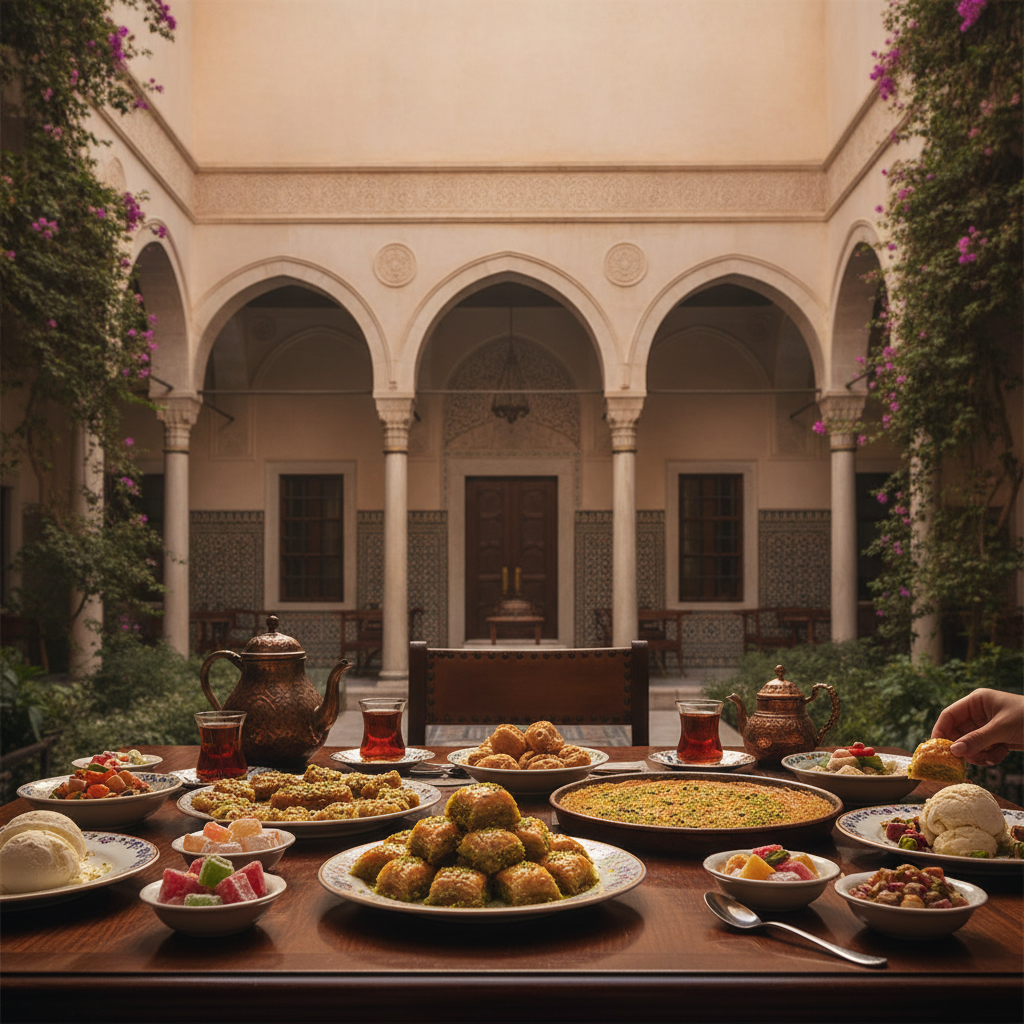
Discover Turkey's rich dessert culture. From Gaziantep's famous baklava to Hatay's künefe, explore the history, ingredients, and cultural significance of Turkish sweets.
Delving into the Delicious World of Turkish Desserts
Turkey, a land where East meets West, offers a culinary journey as rich and diverse as its history. While savoury dishes often take centre stage, the country's dessert culture is equally captivating, deeply interwoven with hospitality, celebration, and daily life. Turkish desserts are not merely an afterthought; they are an integral part of the dining experience, reflecting centuries of tradition influenced by Ottoman palace kitchens and regional specialties. From the world-renowned baklava to lesser-known local delicacies, these sweet treats offer a delightful insight into the heart of Turkish culture. When you purchase property in Turkey, you'll quickly discover that sharing a dessert is often a gesture of warmth and welcome.
Baklava: The Crown Jewel of Turkish Desserts
Perhaps the most famous of all Turkish desserts, baklava is a true masterpiece of pastry art. This delectable sweet features layers upon layers of wafer-thin phyllo pastry, generously filled with finely ground pistachios or walnuts, and then soaked in a sweet syrup. While various countries lay claim to its origin, Turkey has perfected baklava into an art form, with the city of Gaziantep holding a protected designation of origin for its exceptional variant. Gaziantep baklava is typically made with bright green pistachios, known for their distinct flavour and vibrant colour, and a precise balance of butter and syrup to ensure a crisp, non-soggy texture. It's often enjoyed with a cup of Turkish tea or coffee, particularly during special occasions like religious holidays (Bayram) and weddings, though it's a staple treat found in patisseries year-round.
When seeking the best baklava, a trip to Gaziantep is highly recommended, but reputable künefe and baklava shops across major cities like Istanbul and Ankara also offer exquisite versions. Look for shops where the baklava is made fresh daily and sold by weight, indicating a commitment to quality and tradition.
Künefe: A Warm, Cheesy Delight
Moving south-east, we encounter künefe, a uniquely Turkish dessert that perfectly balances sweet and savoury. Originating from the Hatay (Antakya) region, künefe is made from shredded phyllo dough (kadayıf) layered with unsalted cheese (typically Hatay or künefe cheese), baked until golden, and then drenched in a hot, sugary syrup. It's served immediately, often garnished with ground pistachios, ensuring the cheese is perfectly melted and stretchy. The contrast between the crisp, buttery pastry, the warm, gooey cheese, and the sweet syrup makes künefe an unforgettable experience. It's a popular dessert for social gatherings and often enjoyed after a hearty meal, particularly during Ramadan evenings. The best künefe is found in its birthplace, Hatay, but excellent examples are available in specialty künefe parlours throughout Turkey.
Lokum: The Iconic Turkish Delight
No exploration of Turkish desserts would be complete without mentioning lokum, universally known as Turkish Delight. These small, chewy cubes of gel are made from starch and sugar, often flavoured with rosewater, lemon, mastic, or mint, and frequently contain chopped nuts like pistachios, walnuts, or hazelnuts. Coated in powdered sugar or coconut, lokum dates back to the Ottoman Empire and was once a delicacy of sultans. Today, it’s a beloved sweet, often served with Turkish coffee, offered to guests as a token of hospitality, or given as a gift. While readily available everywhere, specialty shops, particularly in Istanbul's historic areas like the Grand Bazaar, offer a vast array of artisanal flavours and premium quality lokum.
Sütlaç and Kazandibi: Creamy Indulgences
Turkish cuisine also boasts a delightful range of milk-based desserts. Sütlaç, or rice pudding, is a comforting classic. Made with rice, milk, and sugar, it's often baked in earthenware dishes (fırın sütlaç) to create a beautifully caramelised, slightly burnt top layer, which adds a distinct flavour and texture. It's a simple yet satisfying dessert, popular across all regions and frequently found in traditional eateries and homes.
A more unique milk pudding is Kazandibi, which literally translates to 'bottom of the cauldron'. This intriguing dessert gets its name and distinctive flavour from purposefully burning the bottom layer of milk pudding, creating a caramelised, almost smoky taste and a slightly chewy texture. Legend says it originated in the Ottoman palace kitchens by accident, when a sultan liked the burnt pudding so much it became a regular dish. It's often served rolled up, revealing the dark, caramelised underside, and dusted with cinnamon.
Aşure: Noah's Pudding of Abundance
Aşure, or Noah's Pudding, is a fascinating and profoundly symbolic Turkish dessert. Made from a rich mixture of grains (like wheat and chickpeas), pulses (like white beans), dried fruits (apricots, figs, raisins), nuts (walnuts, hazelnuts), and sugar, it is often topped with cinnamon and pomegranate seeds. Aşure is traditionally prepared and shared during the Islamic month of Muharram, particularly on the tenth day of Muharram, known as Aşure Day. According to Islamic belief, Noah's Ark landed on this day, and the passengers celebrated by making a pudding from the remaining ingredients they had. It's a gesture of gratitude, community, and sharing, with large batches often distributed to neighbours, friends, and the less fortunate.
Other Noteworthy Turkish Sweets
- Helva: A dense, sweet confection available in various forms. Semolina helva (irmik helvası), made with semolina, butter, sugar, and milk, is often served warm with ice cream. Tahini helva (tahin helvası) is a denser, crumbly block made from sesame paste, commonly enjoyed for breakfast or as a light dessert. Helva has cultural significance, often prepared during funerals, religious ceremonies, and family gatherings.
- Tulumba: These small, ridged pieces of fried dough are soaked in sweet syrup, similar to churros but denser and with a crispier exterior. Tulumba is a popular street food, readily available from vendors and pastry shops across Turkey, offering an immediate sugar rush.
- Şekerpare: Meaning 'a piece of sugar', şekerpare are soft semolina biscuits soaked in a light syrup, often garnished with a single almond or pistachio. They are a beloved homestyle dessert, frequently prepared for family meals and celebrations.
Turkish Dessert Culture and Hospitality
Desserts in Turkey are far more than just sweet treats; they are central to the country's renowned hospitality. Offering a guest a piece of lokum with coffee, sharing a tray of baklava during Bayram, or presenting a bowl of aşure to neighbours are all deeply ingrained customs. When you buy property in Turkey, whether it's a villa in Antalya or an apartment in Istanbul, you will undoubtedly be welcomed with these culinary gestures. It's a culture of generosity where food, particularly sweets, serves as a bridge between people, fostering warmth and connection.
Table of Popular Turkish Desserts
| Dessert Name | Main Ingredients | Key Region/Origin |
|---|---|---|
| Baklava | Phyllo pastry, pistachios/walnuts, syrup, butter | Gaziantep (Protected Designation of Origin) |
| Künefe | Shredded kadayıf dough, unsalted cheese, syrup, pistachios | Hatay (Antakya) |
| Lokum (Turkish Delight) | Starch, sugar, various flavourings (rose, lemon), nuts | Istanbul (Ottoman era) |
| Sütlaç | Rice, milk, sugar, often baked with a caramelised top | Black Sea Region (Fırın Sütlaç) |
| Kazandibi | Milk, sugar, starch, with a burnt, caramelised bottom layer | Ottoman Palace kitchens |
| Aşure (Noah's Pudding) | Grains, pulses, dried fruits, nuts, sugar, cinnamon | Anatolia (Shared across cultures) |
| Helva (Semolina) | Semolina, butter, sugar, milk/water, nuts | Various regions (often associated with funerals/events) |
| Tulumba | Fried choux pastry dough, syrup | Various (Popular street food) |
| Şekerpare | Semolina, flour, sugar, syrup, often almond garnish | Various (Homestyle dessert) |
Your Home in Turkey with Future Homes International
Embarking on a journey to discover Turkey's rich culinary traditions, including its incredible desserts, is just one of the many joys of living here. If you're considering purchasing property in Turkey, Future Homes International is here to assist you every step of the way. Our expert team provides comprehensive guidance on navigating the Turkish real estate market, from identifying the perfect location for your new home to managing the legal intricacies of property acquisition. Whether you're dreaming of a vibrant city apartment or a serene coastal villa, we connect you with exceptional properties and offer invaluable insights to ensure a smooth and successful transition into your new Turkish life. Let us help you find your ideal home, where you can truly immerse yourself in the delightful culture and cuisine of Turkey.
Related articles
Göcek, Turkey: Yachting Bays, Maritime Elegance, and Exclusive Villas
Discover Göcek, Turkey's premier sailing haven. Explore exclusive marina residences, hillside villas, and the buoyant luxury real estate market.
Kemer, Turkey: Mountains, Beaches and Property Guide
Discover property in Kemer, Turkey, where the Taurus Mountains meet the Mediterranean. Explore neighbourhoods, lifestyle, and investment potential.
Canggu vs Ubud: Where to Buy a Villa in Bali
Wondering whether to buy a villa in Canggu or Ubud? We compare rental yields, zoning laws, lifestyle appeal, and prices across Bali's top destinations.
Dubai Property Prices: What Homes Cost by Area
Discover indicative Dubai property prices across prime districts, from JVC to Palm Jumeirah, alongside purchase costs, rental yields, and payment plans.
Explore More Articles
Discover more insights about property investment, legal requirements, and living abroad.